Jacob Stead for NPR

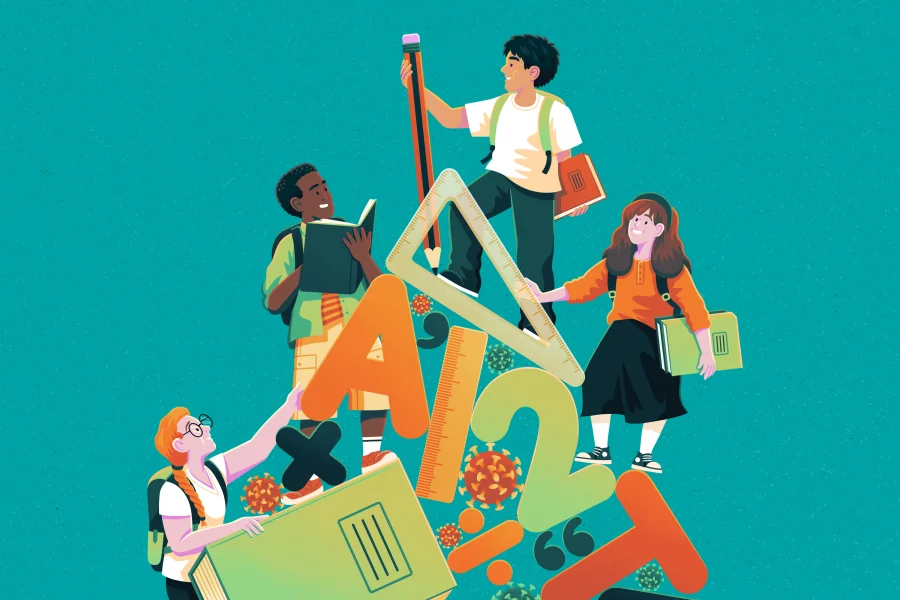
Student reading and math scores were declining before COVID, but some schools are seeing improvement through targeted support, literacy reforms, and evidence-based instruction.

Student test scores in reading and math have been dropping since around 2013, well
before the COVID pandemic. Researchers point to two likely causes: schools facing less
pressure to improve after federal accountability laws were loosened, and the rise of social
media pulling students away from learning. The good news is that math scores are starting to
recover in most states, and schools that have adopted research-backed reading methods, like
teaching phonics, are seeing real improvement in reading too. Federal relief money also made a
difference for schools in lower-income communities. Baltimore City schools are a standout
example, with reading scores climbing sharply after the district committed early to
evidence-based reading instruction. The bigger picture is that American schools made
tremendous gains for two decades before the slide began, and researchers say we can get
back on that track.

Share

Picture of Cheri Rae

Cheri Rae

Journalist Cheri Rae has focused on literacy and dyslexia for 15 years. From 2010-2016 she served as a dyslexia consultant for the Santa Barbara Unified School district where she led several outreach initiatives to inform and support the community. She established the innovative Parent Resource Center for the district that attracted nationwide attention for its proactive approach. A longtime advocate of structured literacy, she served on the district’s Early Literacy Task Force in 2021-2022 and 2022-2023. She is the Director of The Dyslexia Project nonprofit and the author of DyslexiaLand: A Field Guide for Parents of Children with Dyslexia.

Sign the Charter

Sign the Charter and become part of a movement to make lasting, impactful change in our schools and communities.

Name

Join Now

Name