Key literacy data that shows why earling reading action matters.
1. National Statistics
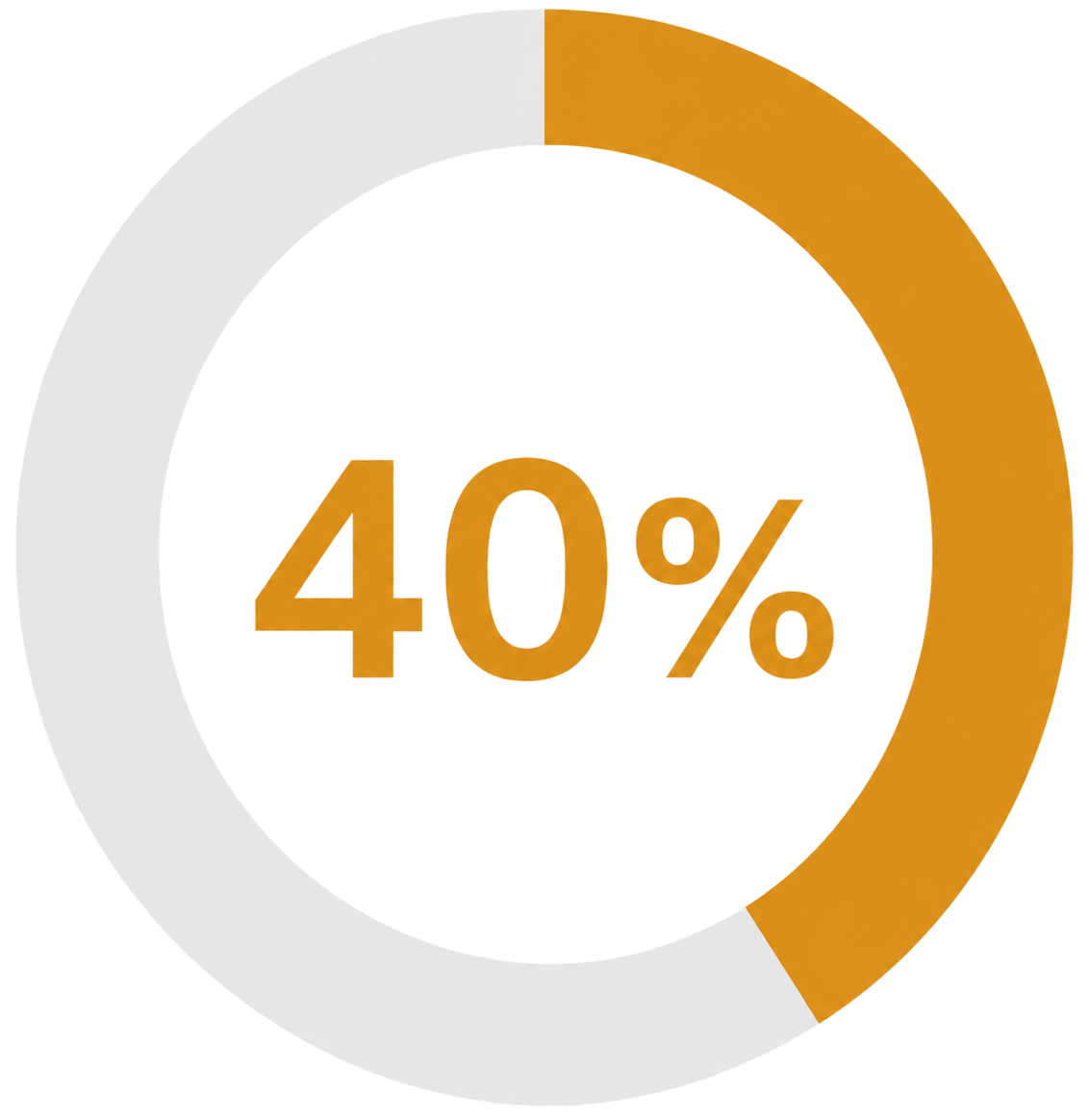
40% of U.S. 4th graders read below “Basic”.
On the 2024 NAEP (“Nation’s Report Card”), 40% of 4th graders scored below NAEP below
Basic in reading — the largest share since 2002. Only 31% reached Proficient.
Source: 2024
NAEP Reading Assessment, National Center for Education Statistics
130 million U.S. adults struggle to read
About 54% of American adults read below a 6th-grade level, and an estimated 45 million are
functionally illiterate — unable to complete everyday reading tasks.
Source: Barbara Bush Foundation / Gallup, 2020; National Literacy Institute 2024–25
2. California-Specific Facts
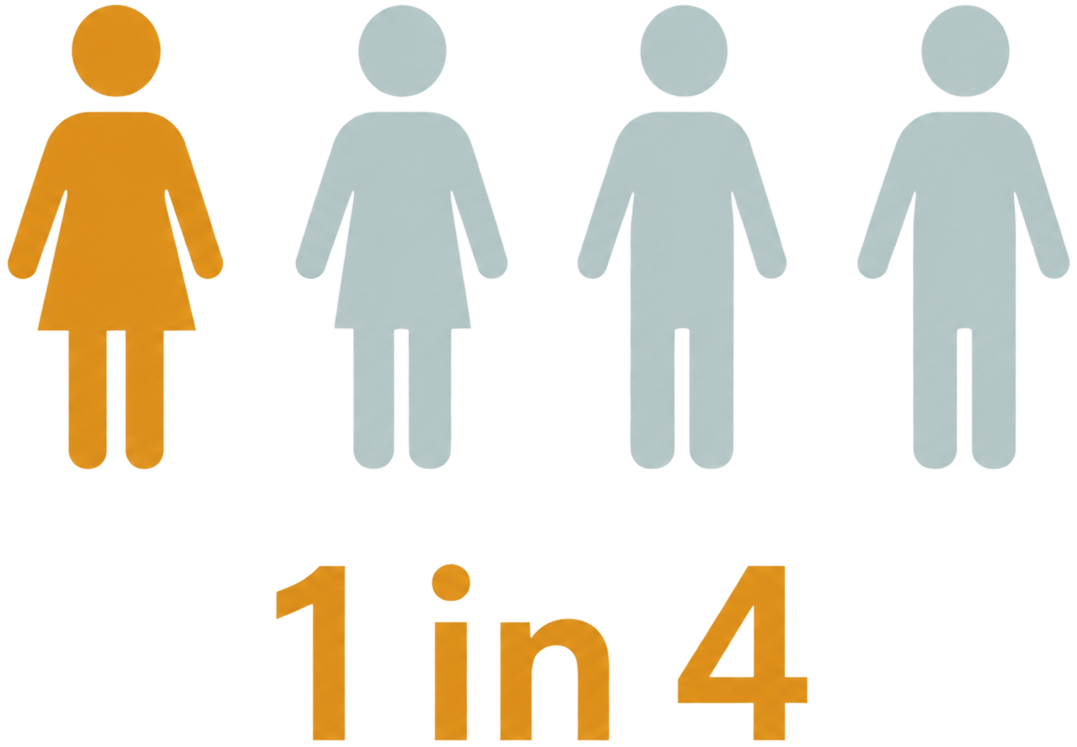
1 in 4 California adults struggles.
An estimated 23.1% of California adults lack basic prose literacy skills — the highest rate of any
U.S. state. Put another way: roughly 1 in 4 California adults struggles with the kind of reading
required for daily life.
Source: World Population Review / U.S. Dept. of Education NAAL data
3. Santa Barbara
What’s Possible
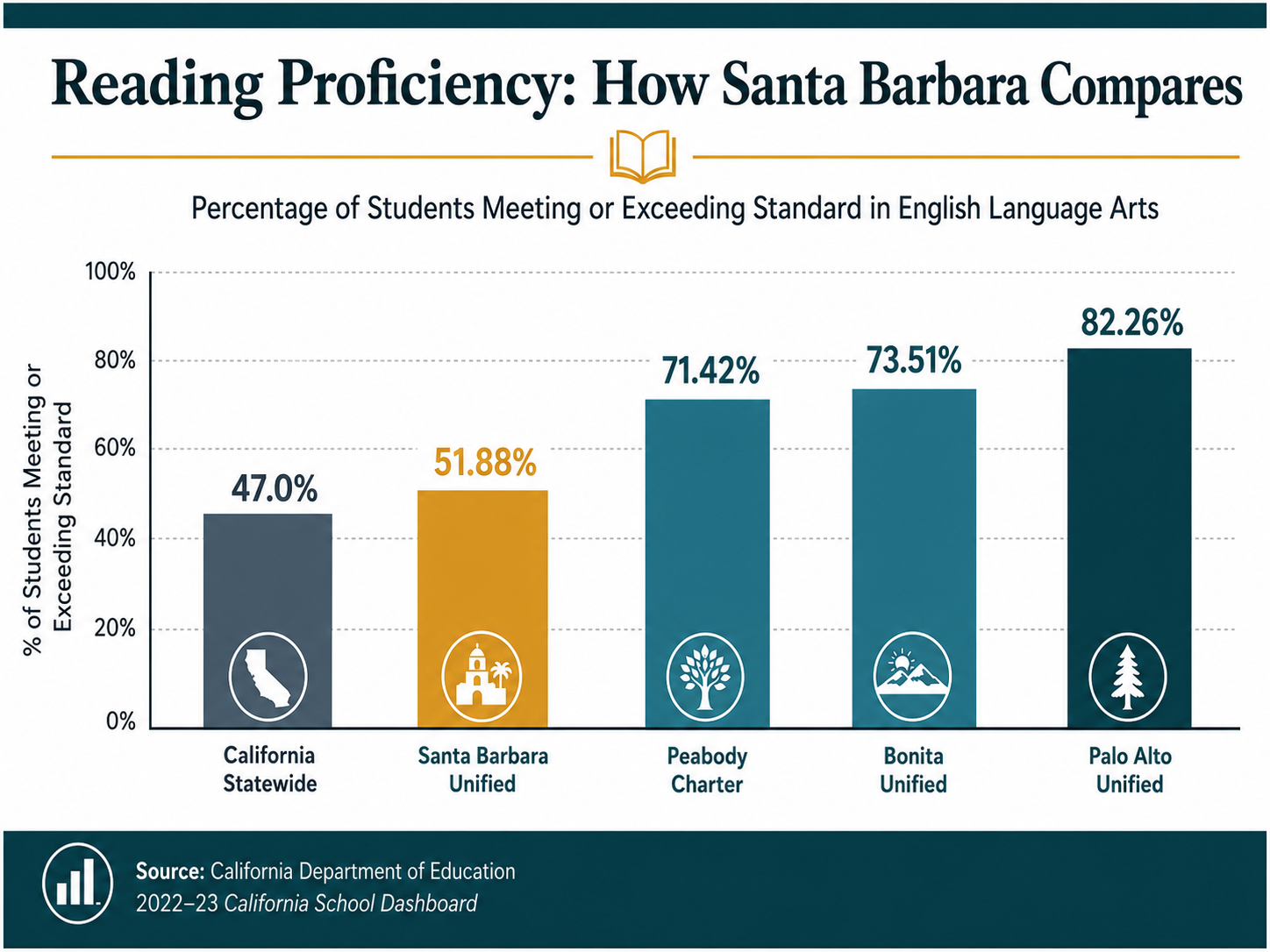
Santa Barbara is known for its exceptionalism. Looking at other high preforming school districts with
similar demogramics including Palo Alto Unified, Bonita Unified, and even here in Santa Barbara’s own
Peabody Charter school, shows that achieving exceptional results is possible
4. Why Early Reading Matters (K–3)
Not reading by 3rd grade = 4x higher dropout risk
Students not reading proficiently by the end of 3rd grade are four times more likely to leave high
school without a diploma than their proficient peers.
Source: Annie E. Casey Foundation, “Double Jeopardy” (Hernandez, 2011)
The risk is even higher for low-income students
Black and Latino students who are poor readers and who also experience poverty are eight
times more likely to fail to graduate on time than proficient readers.
Source: Annie E. Casey Foundation, “Double Jeopardy”
5. Illiteracy and Incarceration
70% of incarcerated adults read below a 4th-grade level.
According to the National Adult Literacy Survey, 70% of all incarcerated adults read below a
4th-grade level. The Correctional Education Association estimates adult inmate illiteracy closer
to 75%.
Source: National Adult Literacy Survey (NAAL); Correctional Education Association
Low literacy is linked to incarceration
29% of incarcerated adults score at the lowest literacy level, compared to 19% of the general
adult population — and 94% of incarcerated adults have a high school diploma or less, vs. 64%
of adults overall.
Source: U.S. Dept. of Justice / NCES “Literacy of Incarcerated Adults Near Release”
Improving literacy reduces repeat offenses
Research consistently links low literacy to higher reincarceration rates, suggesting that literacy
instruction is one of the most cost-effective interventions in the criminal justice system.
Source:
Prison Policy Initiative; Office of Justice Programs
6. The Economic Cost of Illiteracy
Low adult literacy costs the U.S. up to $2.2 trillion a year.
Bringing every U.S. adult up to a 6th-grade reading level would add an estimated $2.2 trillion —
about 10% of GDP — in annual income.
Source: Barbara Bush Foundation for Family Literacy / Gallup, 2020
Illiteracy also drives up health care costs.
Low adult literacy is linked to an estimated $106–$238 billion in annual U.S. health care
spending.
Source: Barbara Bush Foundation; Journal of Health Communication
Workers with low literacy earn 30–42% less.
Illiterate workers earn 30–42% less than their literate peers.
Source: ILA “Cost of Illiteracy” brief
7. The Science of Reading
Reading is not natural. It must be taught.
Decades of cognitive science show that learning to read requires explicit, systematic instruction
in phonemic awareness, phonics, fluency, vocabulary, and comprehension.
Reading Panel (2000); Linda Diamond, Teaching Reading Sourcebook
Evidence-based instruction works across languages.
Explicit, systematic reading instruction improves outcomes regardless of the language being
taught — this is settled science, not a U.S.-specific finding.
Source: Claude Goldenberg, “Globally, reading is improved with explicit, systematic instruction” (2024)
Most reading difficulty is preventable.
Research suggests that with evidence-based instruction and early intervention, the vast majority
of students — including those with dyslexia — can learn to read on grade level.
Source: Evidence
Advocacy Center; CORE Learning
Strong readers build strong communities.
Together, we can ensure every child in Santa Barbara has the skills to read, learn and thrive.